
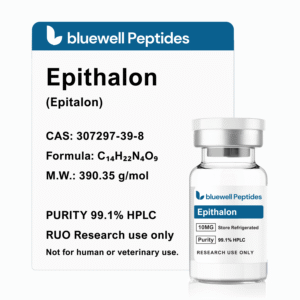
If you’re reading this, chances are you’ve come across the term “research peptides ” and you’re curious to know more about it. Well, you’ve come to the right place! In this article, we’ll explore the exciting world of research peptides, what they are, and why they’re gaining popularity in the scientific community. So, sit back, relax, and let’s dive into the fascinating world of research peptides.
What exactly are research peptides?
First things first, let’s define what research peptides are. Peptides are short chains of amino acids that are similar to proteins but with shorter chains. They play a crucial role in various biological processes and functions in our bodies, such as regulating hormones, aiding in tissue repair, and controlling inflammation. Research peptides, on the other hand, are synthetic versions of these naturally occurring peptides and are used for scientific research purposes.
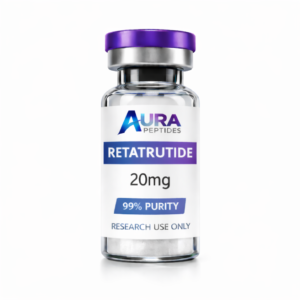
Why are they used in research?
The use of research peptides in scientific studies has been growing rapidly in recent years. One reason is that they have a variety of potential applications in different research fields, from cancer treatment to anti-aging. Due to their small size, peptides can penetrate the skin and cell membranes more easily, making them ideal for drug delivery systems. Research peptides are also more stable than their protein counterparts, making them easier to work with and store for experiments.
The benefits of using research peptides
Research peptides offer numerous benefits, especially in the field of medicine. For example, they have been shown to mimic the function of natural hormones in the body, making them useful in treating hormonal imbalances and related disorders. Additionally, some research suggests that peptides may have anti-inflammatory properties and could potentially be used to treat conditions like arthritis and skin disorders.
Moreover, research peptides have shown promise in the field of anti-aging. As we age, our bodies produce fewer peptides, which can lead to a decline in certain bodily functions. Supplementing with research peptides can potentially slow down this aging process and help maintain healthy levels of these essential molecules.
The importance of quality
When it comes to research peptides, quality is crucial. Since they are synthetic and not naturally occurring in our bodies, it’s essential to ensure that the peptides used in research are of high quality and purity. Impurities in the peptides could affect the results of experiments and potentially harm research subjects. Therefore, it’s crucial to purchase research peptides from reputable and trusted sources to ensure their quality.
The future of research peptides
The potential uses of research peptides are endless, and scientists continue to uncover more applications for these tiny molecules. As technology advances, the production and use of research peptides will only become more widespread and sophisticated. With more research and studies being conducted, we can expect to see new breakthroughs and developments in various fields, thanks to the versatility and potential of research peptides.
In conclusion
Research peptides play a significant role in advancing scientific research and have immense potential in contributing to the medical field. Their versatility and numerous benefits make them an exciting subject of study, and we can only anticipate further developments and discoveries in the future. So, if you’re interested in the world of science and medicine, keep an eye on research peptides, as they may hold the key to groundbreaking discoveries and treatments.
At the end of the day, research peptides bring hope and possibilities for a better tomorrow, making them an essential part of the scientific community. We hope this article has provided some insight into the world of research peptides and sparked your curiosity to learn more about these incredible molecules. Keep exploring, keep learning, and keep supporting science!